Loading...
Drafts, high heating bills, and rooms that never stay comfortable are usually an air leakage problem - not a furnace problem. We find and seal the gaps in your Twin Falls home so your heating system can finally work the way it is supposed to.
Air sealing in Twin Falls means finding and closing the small gaps, cracks, and openings where outside air sneaks in and conditioned air leaks out - most jobs on a single-family home are completed in one full day. These openings are often invisible, hidden in attics, around electrical outlets, along baseboards, and where pipes or wires pass through walls. The U.S. Department of Energy estimates that sealing air leaks and adding insulation can cut heating and cooling costs by up to 15 percent - and in a climate with Twin Falls temperature swings, that adds up quickly.
Air sealing and insulation solve different problems but work best together. Insulation slows the transfer of heat through your walls and ceiling. Air sealing stops the movement of air through gaps - something insulation alone cannot do. Many homeowners who add basement insulation find that combining it with rim joist sealing delivers far better results than either step alone. We assess both during the same visit and can tackle both in one project when it makes sense.
Homes built in Twin Falls before 1990 were constructed without modern energy efficiency practices - gaps around framing, pipes, and wiring were simply left open. If yours is from that era and has never been professionally sealed, the savings potential is significant. A blower door test at the start of the job measures exactly how leaky your home is, so you have a baseline to compare against when the work is done.
If your energy costs jump sharply from October through February no matter how you adjust the thermostat, air leakage is often the reason. Twin Falls winters are cold enough that even moderate leakage forces your furnace to run almost constantly. A properly sealed home holds heat much more steadily.
Hold your hand near an electrical outlet on an exterior wall on a cold day. If you feel cool air moving, that outlet is connected to a gap in your wall that goes to the outside. The same test works near baseboards and window trim - common leak points in homes built before modern energy codes.
Twin Falls sits in an agricultural valley where wind-blown dust is a fact of life, especially during spring planting and fall harvest. If you are dusting every few days and still cannot keep up, your home may be pulling in outside air through gaps in the building envelope. Air sealing can dramatically reduce how much of that dust makes it inside.
When one bedroom freezes in January while the rest of the house is comfortable, uneven air leakage is often the cause. Air escaping from one part of the home creates pressure imbalances that make your heating system struggle to keep temperatures even. This is one of the most common comfort complaints in older Twin Falls homes.
We provide whole-home air sealing and targeted treatments for specific areas of your home - attic, crawl space, rim joists, and wall penetrations. Most jobs start with a blower door diagnostic test that shows exactly where air is moving through your home and how much. The crew then works methodically through each area applying spray foam or caulk to seal every opening they find. A second blower door test at the end gives you a real measurement of how much tighter your home is after the work.
For homes where air sealing and insulation both need attention, we can often combine both in one visit. Pairing whole-home sealing with attic air sealing is one of the most cost-effective combinations available to Twin Falls homeowners - the attic ceiling plane is typically where the largest share of heat escapes, and addressing it in the same project as the rest of the home maximizes your return. Every job includes a written estimate with the full scope clearly defined before work begins.
A complete treatment covering the attic, crawl space, basement rim joists, and all major penetrations throughout the home.
Targets the ceiling plane - the highest-impact area for heat loss in most Twin Falls homes - before or alongside attic insulation.
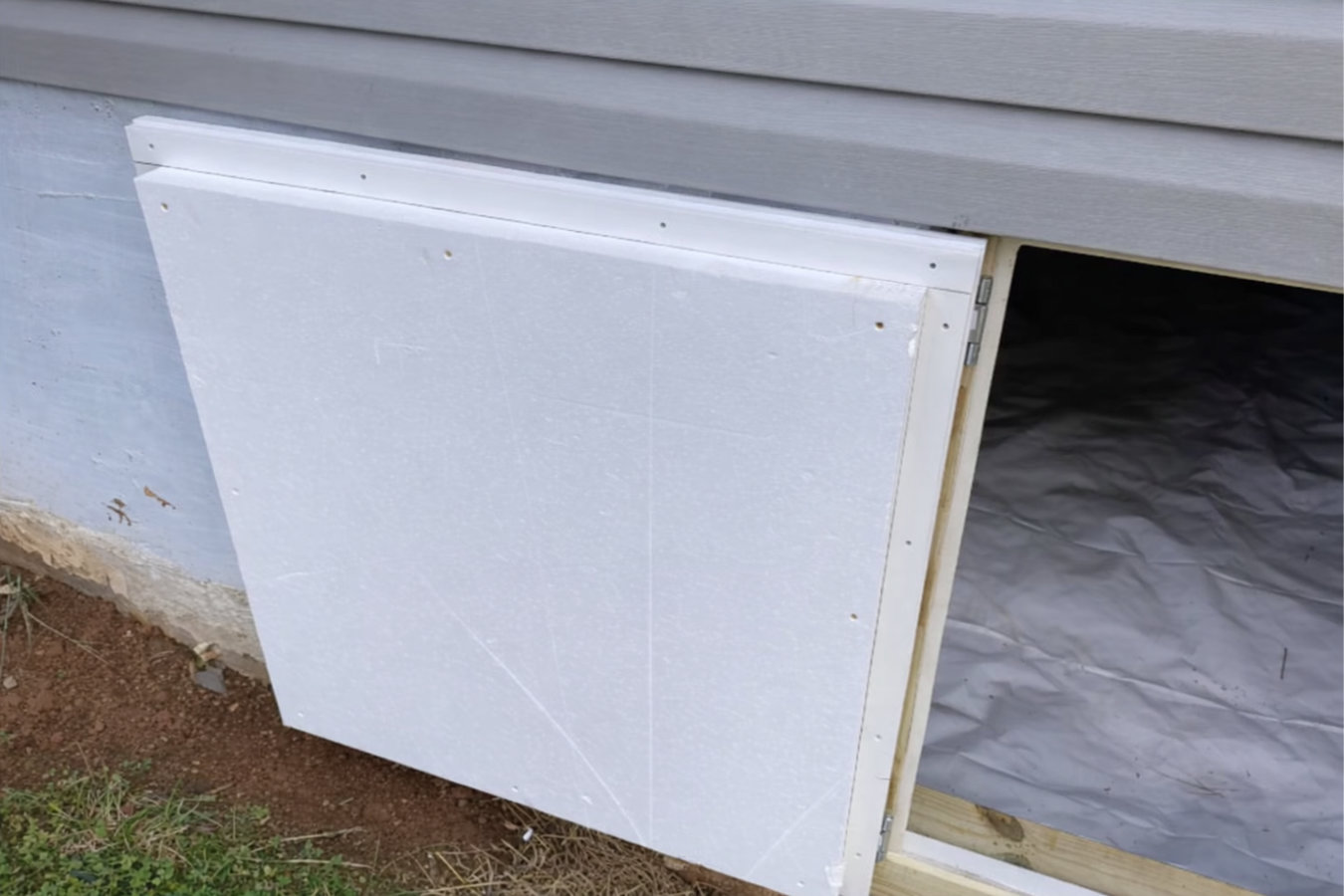
Addresses the floor system where cold air works its way up from below, a common problem in homes on crawl space foundations.
Closes the gap between your foundation and floor framing - one of the most common and overlooked air leakage points in older homes.
Twin Falls sits in a high desert climate where summer highs regularly push past 95 degrees and winter nights can drop well below 10 degrees. That wide swing means your heating and cooling system works hard for many months of the year, and every gap in your home's envelope makes that system work even harder. The Snake River Plain is also known for persistent wind - and wind-driven air infiltration pushes outside air through gaps with more force, making drafts more noticeable and energy losses higher. Homeowners in Jerome and Gooding face the same conditions - we serve the full Magic Valley region.
A significant portion of Twin Falls homes sit on crawl spaces or slab-on-grade foundations. Crawl spaces in this climate are a major source of air infiltration - cold, dry air from underneath the home works its way up through the floor system. Sealing a crawl space is often one of the highest-impact parts of an air sealing job in this area. Idaho Power serves most of Twin Falls and offers rebates for qualifying air sealing and insulation work. Check Idaho Power's home energy efficiency rebates before scheduling, as rebate funds are limited each year and can be exhausted before the end of the year.
We ask about your home's age, approximate size, and what has been prompting your concern - high bills, drafts, uneven temperatures. We respond to all inquiries within 1 business day and schedule an in-home assessment, usually within a few days.
We walk your attic, crawl space, and any areas where pipes or wires pass through walls or ceilings. Most thorough contractors run a blower door test at this stage - a large fan in your front door that makes air leaks much easier to find. You get a written estimate before any work begins.
The crew works methodically through the home applying foam or caulk to every opening they find, starting in the attic and moving to the crawl space and rim joists. The work is quiet and low-disruption - most homeowners stay home the entire day.
Once sealing is complete, we run the blower door test again and compare the results to the baseline. You see a real, measurable number showing how much tighter your home is. If you are applying for an Idaho Power rebate, we provide the documentation you need at this point.
We test before and after every job so you can see exactly what the work accomplished. No obligation.
(208) 544-9799A blower door test before the work establishes a baseline. The same test after the work proves the job made a measurable difference. You walk away with actual numbers, not just a contractor's word for it.
Every air sealing job we complete in Twin Falls is performed by trained crews who know southern Idaho homes. We document the finished work so you can see exactly what was sealed and where.
We work with Twin Falls homeowners to identify which Idaho Power rebates apply to their project and provide the documentation needed to claim them. Rebate funds are limited each year - we help you capture available savings before they run out.
From Twin Falls to Jerome, Burley, Gooding, Wendell, and beyond - we cover the full region. When you call, you reach someone local who knows the housing stock and the specific conditions that make air sealing valuable in this climate.
The Building Performance Institute sets the national standard for diagnostic air sealing work, including blower door testing before and after the job. We follow that standard on every Twin Falls project - because a contractor who skips the testing has no way to prove the work made a difference, and neither do you.
Pair air sealing with basement insulation to address the rim joists and foundation walls where cold air enters most aggressively.
Learn moreA focused attic-specific treatment that targets the ceiling penetrations responsible for the largest share of heat loss in most Twin Falls homes.
Learn moreIdaho Power rebate funds are limited each year - the sooner you schedule, the better your chances of capturing available savings. Call or request a free estimate today.