Loading...
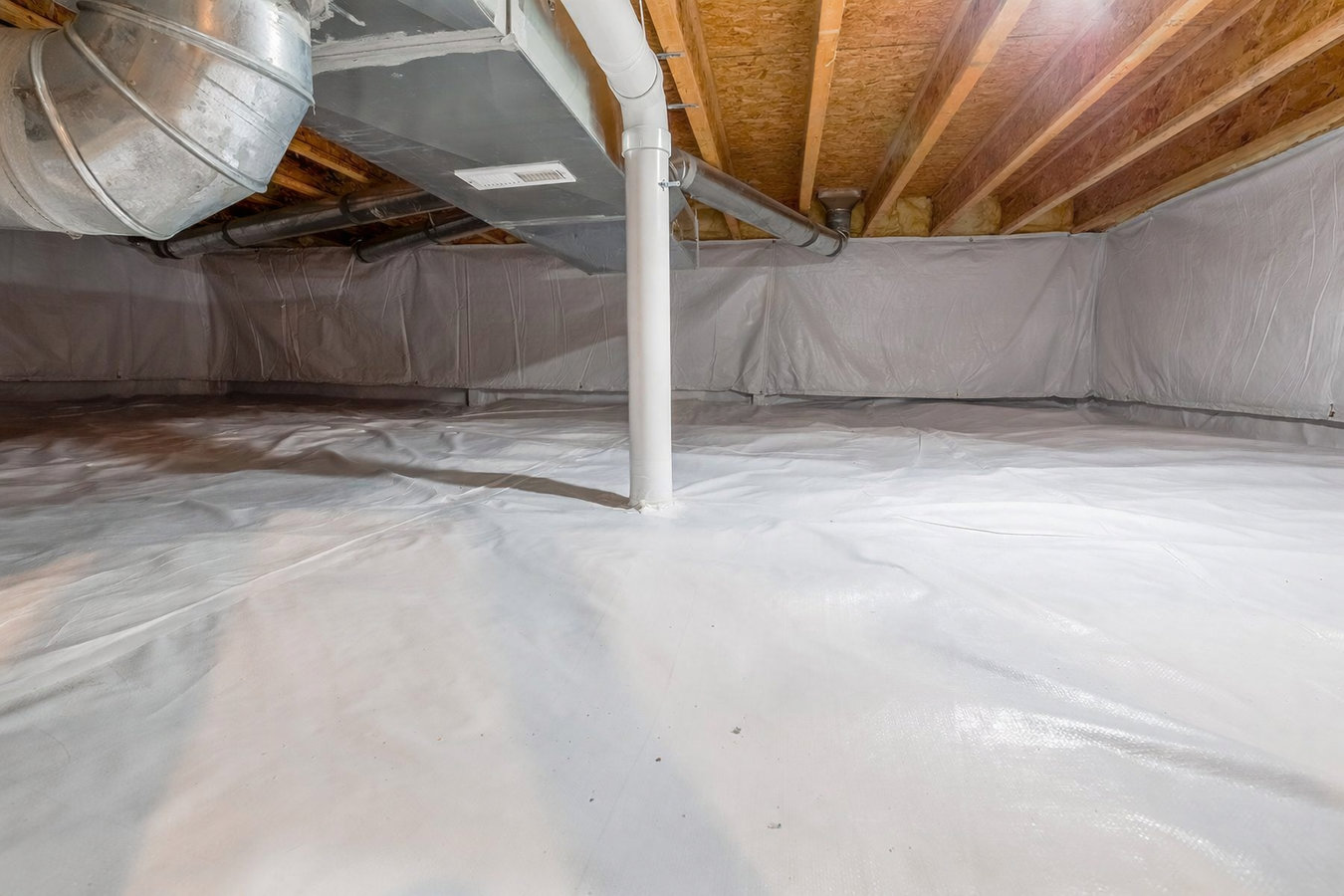
Moisture rising from bare crawl space soil slowly rots floor framing, breeds mold, and drives up heating costs. A properly installed vapor barrier stops it before the next irrigation season pushes it further into your home.
Vapor barrier installation in Twin Falls covers the bare soil in your crawl space or basement with thick plastic sheeting, sealed at the seams and run up the foundation walls, to stop ground moisture from rising into your home structure - most jobs are completed in a single day and the barrier is effective immediately.
Moisture moving upward from the ground is one of the quietest sources of structural damage in Twin Falls homes - it works on floor joists, insulation, and air quality for years before homeowners notice anything obvious. By the time a musty smell shows up or floors feel soft underfoot, the moisture has been active for a while. The good news is the fix is direct: block the pathway from soil to structure with a properly installed barrier.
For homes where the attic also needs attention, vapor barrier installation pairs well with attic air sealing to close moisture and air pathways at both ends of the house at the same time.
If your home develops a damp, earthy odor in March or April - right when snowmelt and spring rains hit the Snake River Plain - that smell is almost always coming from below your floors. Ground moisture is rising through an unprotected crawl space and drifting upward into your living areas. This pattern repeating each spring is a clear signal that no barrier or an inadequate one is in place.
When your crawl space is damp and unprotected, cold and moisture work their way into your floor framing. You may notice spots feel noticeably colder than others in winter, or - in more serious cases - a slight give underfoot that was not there before. In Twin Falls, where temperatures regularly drop well below freezing, this problem is more pronounced and gets worse each season without a fix.
If you have ever looked into your crawl space and seen water droplets on pipes, wet insulation hanging down, or any standing water on the ground, your home needs a vapor barrier right away. Even small amounts of standing water can cause significant wood rot and mold growth within a single season - visible moisture is the fastest reason to schedule an assessment.
A damp crawl space makes your heating and cooling system work harder because moisture-laden air requires more energy to heat or cool than dry air. If your utility bills have climbed without an obvious explanation and your home is older with an unfinished crawl space, moisture infiltration from below is a likely contributor - particularly relevant during Twin Falls winters when furnaces run hard from November through March.
We install heavy-duty polyethylene vapor barrier sheeting - typically 10 to 20 mil thickness - across the entire crawl space ground surface, with all seams overlapped by several inches and sealed with tape so moisture cannot sneak through the joints. The sheeting runs up the foundation walls and is fastened there, not just lying loosely on the ground. For spaces with old barrier material or debris, we remove and clear everything first so the new installation starts clean. If your project also includes the basement or involves moisture protection as part of a larger renovation, we scope that alongside the crawl space work. We tie vapor barrier installation naturally with attic air sealing for homeowners addressing the whole house at once.
A vapor barrier on its own stops ground moisture, but it does not insulate. Many homeowners in Twin Falls choose to add floor joist insulation in the same project - handled through our crawl space vapor barrier service - so both moisture and cold air are addressed in a single visit. We scope both during the same estimate trip and quote them together so you have a clear number before committing to anything.
The right starting point for most Twin Falls homeowners - full ground coverage with sealed seams and wall coverage to block ground moisture at the source.
For homes where existing barrier material has degraded, torn, or left gaps after years of temperature cycles - old material fully removed before new installation.
Combines vapor barrier with insulation and air sealing for the most complete crawl space protection - recommended for homes with active moisture problems or failing floor insulation.
Twin Falls sits in a high desert environment that receives only about 9 to 10 inches of rain per year - a fact that leads many homeowners to assume moisture is not a concern beneath their home. But the Snake River Plain experiences cold, wet springs and occasional heavy snowmelt, and ground moisture can spike significantly between March and May. Homeowners who assume the dry climate protects them are often caught off guard when they find damp insulation or smell mold after a wet spring. On top of seasonal moisture, the region is surrounded by heavily irrigated farmland, and that irrigation raises soil moisture in residential neighborhoods too - especially near the canal system that serves the area throughout the growing season. The EPA identifies moisture control as the single most important step in preventing indoor mold growth.
Homeowners in Buhl and Wendell deal with the same irrigation-driven soil moisture conditions as Twin Falls - the canal infrastructure runs across all of these communities. Many homes in these areas from the 1950s through 1980s were built with bare dirt crawl spaces or thin plastic sheeting that has long since degraded. A significant portion of Twin Falls homes more than 30 years old either have no barrier at all or have one that is no longer doing meaningful work. The Energy Star program recognizes crawl space sealing as one of the most cost-effective home performance improvements for homes in this climate zone.
We ask basic questions - the approximate size of your home, whether you have a crawl space or basement, and whether you have noticed specific problems like odors or dampness. We respond within 1 business day and schedule a free on-site assessment - no commitment required, no fee.
Before any work is quoted or scheduled, we physically inspect your crawl space. We check the ground condition, look for existing moisture damage, measure the space, and assess access. You receive a written quote after the visit - we never quote firm numbers without seeing the space first.
Clear the area around your crawl space access hatch before the crew arrives. We remove any old material, clean debris from the floor, and then lay the barrier sheeting with overlapping, taped seams and wall coverage. Most standard jobs take four to eight hours and are complete in one day.
When the work is done, we walk you through the finished crawl space with photos of the sealed seams and full floor coverage. There is no curing period - the barrier works immediately. We explain what to watch for going forward and answer any questions about follow-up steps.
We inspect your crawl space, tell you exactly what we find, and give you a written quote you can compare. Spring moisture season in Twin Falls arrives fast - schedule before the rush.
(208) 544-9799A large portion of homes in Twin Falls were built between the 1950s and 1980s - the era when crawl space moisture protection was minimal or skipped entirely. We have assessed and updated hundreds of crawl spaces in this housing stock across Twin Falls and the surrounding Magic Valley communities.
We use 10 to 20 mil polyethylene sheeting with sealed, overlapping seams rather than the thin rolls available at hardware stores. Thicker material resists tearing from foot traffic and temperature stress, and lasts significantly longer under Twin Falls conditions where summer heat and winter cold cycle hard year after year.
We do not give firm quotes over the phone or by description alone. Every project starts with a free on-site crawl space inspection - because what we find under your home is the only way to give you an accurate price. Contractors who quote without looking are guessing, and those guesses tend to change after the job starts.
Crawl space work is hidden by definition, which is why we photograph the finished installation and walk you through it before we leave. You see the sealed seams, the wall coverage, and the full floor coverage before we collect payment. Accountability to something you can verify is how we earn repeat calls from Twin Falls homeowners.
Vapor barrier work is not complicated, but the details matter - seam gaps, thin material, and incomplete wall coverage are exactly what allows moisture to keep entering your home after a technically completed job. We get those details right because that is what makes the work actually hold up.
Seal the top of your home while the vapor barrier protects the bottom - complete moisture and air control from attic to crawl space.
Learn moreA targeted crawl space vapor barrier installation if your project is focused specifically on the ground beneath your living floors.
Learn moreTwin Falls irrigation season arrives fast each spring - schedule your vapor barrier installation now and protect your floor framing, insulation, and air quality before soil moisture peaks.