Loading...
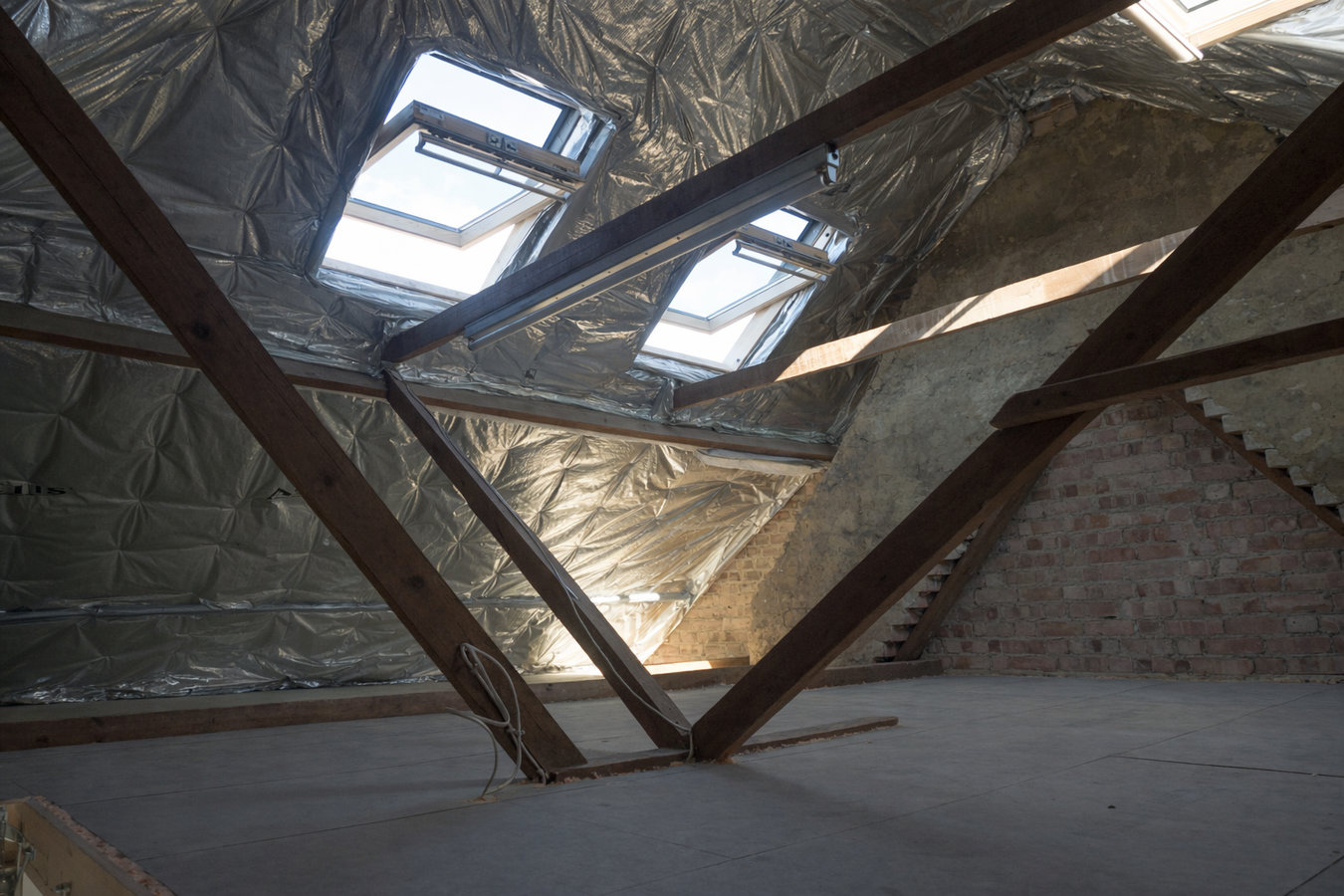
A poorly insulated attic costs Twin Falls homeowners money every month and makes the top floor unbearable in summer. Proper attic insulation keeps heat in during winter, heat out during summer, and your utility bills where they belong.
Attic insulation in Twin Falls works as a thermal blanket between your living space and the outdoors - most installations are completed in a single day with no need to vacate your home. Without enough insulation, heat escapes upward through your ceiling all winter and pours back down from a 140-degree attic all summer. In Twin Falls, where average winter lows drop into the single digits and summer highs push past 95 degrees, an under-insulated attic means your furnace and air conditioner work overtime every single day.
Most homes in Twin Falls built before 1990 have insulation levels that were code at the time but are well below what is recommended today. If you can see the wooden joists running across your attic floor, you almost certainly need more. Before adding new insulation, a good contractor will also address air sealing - gaps around light fixtures, plumbing pipes, and wall tops quietly drain heat just as fast as thin insulation. Pairing new insulation with attic air sealing delivers noticeably better results than new insulation alone.
The two most common installation methods are blown-in loose fill - which fills gaps and odd corners without tearing anything apart - and batts, which are pre-cut rolls laid between joists. Both work well. We assess your attic and recommend the right approach for your specific layout and what is already up there.
If your gas or electric bill climbs sharply from October through February and your thermostat settings have not changed, heat is escaping somewhere. In Twin Falls, where winter nights regularly dip below 10 degrees, an under-insulated attic is one of the most common culprits - heat rises and if there is not enough insulation above your ceiling, it heads straight outside.
Twin Falls summer attic temperatures can reach 140 degrees or higher. If your upstairs rooms feel stuffy and hard to cool even with the air conditioner running, heat from your attic is radiating down through the ceiling - a direct sign the attic is not doing its job.
If you peek into your attic and can clearly see the wooden beams running across the floor, your insulation is too thin. Adequate insulation should cover those beams completely. This is especially common in Twin Falls homes built before 1990, when building codes required far less insulation than is recommended today.
Ice dams happen when heat escaping through the attic melts roof snow, which then refreezes at the cold eaves. They can force water under shingles and into your home. If you see icicles or ice buildup along your roofline after winter storms, your attic is losing too much heat.
We handle blown-in insulation, batt installation, and full attic upgrades including air sealing before new material goes in. For homes with damaged, contaminated, or waterlogged existing insulation, we also offer removal before the new layer is installed. Many attic projects are straightforward one-day jobs. Others - particularly in older homes with complex framing or low attic height - take a bit longer, and we will tell you exactly what to expect before work starts.
We also work with homeowners pursuing blown-in insulation as a standalone service for topping up existing coverage in attics that are thin but otherwise in good shape - no removal needed, just a top-up to bring the depth where it needs to be. This is often the fastest and most affordable path for homes that are close but not quite at the right level.
Fills gaps and covers uneven surfaces - the most popular method for existing homes.
Pre-cut rolls laid between joists - clean, predictable, and easy to inspect.
Sealing gaps around lights and pipes before insulation is added improves performance significantly.
Contaminated or damaged insulation removed and disposed of before new material goes in.
We provide all paperwork needed for Idaho Power rebates and federal energy tax credits.
Assessment, air sealing, removal if needed, and new insulation handled as one coordinated project.
Twin Falls sits at roughly 3,700 feet elevation where winters bring single-digit overnight lows and summers push into the 90s and beyond. The combination of elevation, dry climate, and persistent wind means attics in this area deal with more extreme swings than lower-elevation cities. Many homes in established neighborhoods near downtown and College of Southern Idaho were built in the 1950s through 1970s and still have their original insulation - if they have any in meaningful amounts at all. These homes are losing heat and money every month.
Idaho Power serves most of the Twin Falls area and has offered rebate programs for homeowners who upgrade attic insulation as part of a qualifying project. Those rebates can meaningfully reduce your out-of-pocket cost, but they typically require a pre-approval step before work starts. We help homeowners navigate that process so money is not left on the table. Customers in Kimberly and Filer face the same climate conditions and we regularly serve both communities.
The ENERGY STAR Seal and Insulate program provides clear guidance on recommended attic insulation levels by climate zone and explains how to identify whether your home qualifies for federal tax credits on insulation upgrades.
Tell us your home age, rough square footage, and what you have been experiencing - high bills, hot upstairs rooms. We respond within 1 business day and can usually schedule a visit within a few days.
We come out and look at your attic in person - checking existing insulation depth, air leaks, ventilation, and access conditions. This visit is free and takes 30 to 60 minutes.
After the inspection you get a written quote that spells out exactly what will be done and what materials will be used. No hidden scope, no surprises once work starts.
The crew sets up in your driveway, runs equipment up to the attic hatch, and installs the insulation. You can stay home. We clean up the work area before leaving and walk you through the finished result.
We respond to all calls and form submissions within 1 business day. Fall is our busiest season - contact us early if you want to get on the schedule before the first cold snap.
We respond within 1 business day. No obligation after the estimate - just a clear picture of what your attic needs and what it will cost. Once you submit the form, someone from our office will call to schedule a free on-site visit at a time that works for you.
(208) 544-9799Every attic job we do in Twin Falls is handled by trained crews who know the local housing stock. We document the finished job with photos so you can see the results on every project, not just the big ones.
We insulate attics in Twin Falls, Kimberly, Jerome, Buhl, and nine other communities in southern Idaho. We know the housing stock in each area and what it typically needs.
Idaho Power has offered rebates for qualifying attic insulation projects. We work with homeowners on the documentation so you do not miss a rebate simply because the process felt complicated.
We inspect your attic, assess the scope, and give you a number - then you decide. There is no pressure and no fee for the visit. Most homeowners book same-week appointments in fall and winter.
Attic insulation is one of the highest-return home improvements available to Twin Falls homeowners - the U.S. Department of Energy estimates that properly air sealing and insulating an attic can reduce heating and cooling costs by 10 to 20 percent or more. Getting that result reliably requires the right scope, the right materials, and air sealing before the insulation goes in. That is the standard we work to on every job.
The most common method for topping up existing attic insulation - fast, clean, and highly effective in older homes.
Learn moreAir sealing before new insulation is installed stops the heat loss that insulation alone cannot address.
Learn moreFall books fast in Twin Falls - reach out now and get your attic assessed before winter drives heating costs up.