Loading...
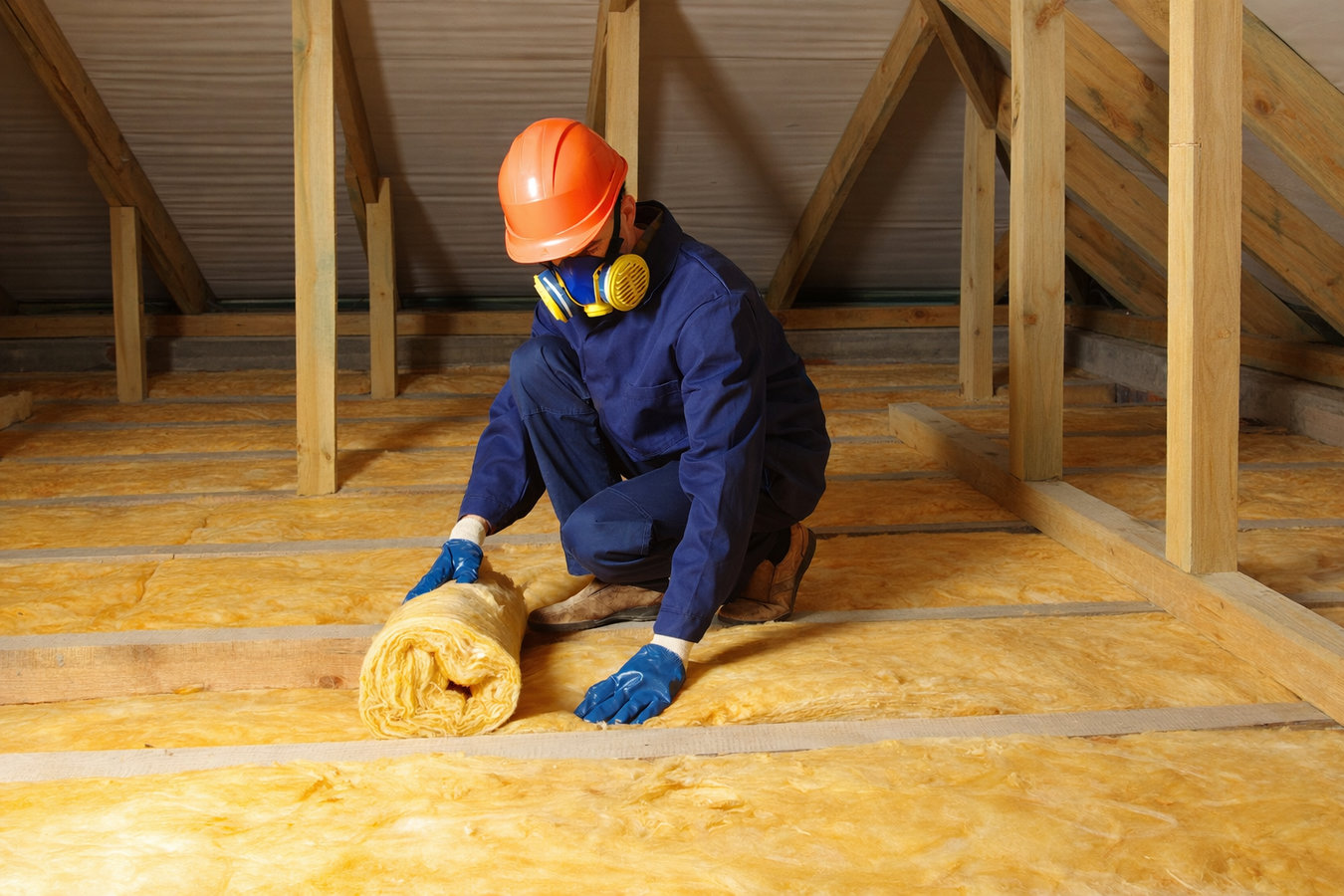
High heating bills, cold floors, rooms that never quite warm up - these are signs your home needs a real insulation assessment. We check every area and fix what is actually causing the problem.
Home insulation in Twin Falls covers the attic, crawl space, walls, and rim joists - whichever areas are losing heat or letting cold in. Most standard single-story home projects are completed in one day, and the difference shows up on your heating bill within the first cold month after the work is done.
A large share of the housing stock here dates from the 1950s through 1980s, when insulation standards were far lower than what this climate zone requires today. If your home is from that era, there is a good chance you are heating the outdoors every winter without knowing it. The attic is usually the first place to address because heat rises and a thin ceiling layer is where most energy escapes. After that, the crawl space is the next priority - cold air moving under floors is one of the most common comfort complaints in Twin Falls homes.
If old or damaged material needs to come out before new insulation goes in, our insulation removal service handles that step first. For homes where you want to upgrade existing insulation without a full tear-out, our retrofit insulation service adds new material over or alongside what is already there, which is often the faster and less expensive approach.
If your gas or electric bill jumps sharply when Twin Falls temperatures drop, your home is losing heat faster than your system can replace it. Compare your December and January bills from the last two winters and look for a pattern. Under-insulated attics and crawl spaces are the most common causes.
Cold floors are one of the clearest signs of a poorly insulated crawl space, which is common in Twin Falls homes built on crawl space foundations. If walking across your kitchen in socks in winter feels cold even when the thermostat says 70 degrees, cold air is moving under your home unchecked.
A bedroom or corner of the house that stays colder than the rest is a sign the insulation in that area is thin or missing. This is especially common in older Twin Falls homes where insulation was added unevenly over the years, or in additions that did not match the original structure's insulation level.
If you look into your attic and can see the wooden beams running across the floor, your insulation is too thin. Those joists should be buried under a deep, even layer of material. When they are visible, you are losing significant heat every night from October through March.
We assess and insulate every part of your home that is losing energy. Most projects start with the attic, where blown-in fiberglass or cellulose brings your coverage up to the R-value this climate zone requires. From there, we address the crawl space - either insulating floor joists above the crawl or encapsulating the crawl space walls and floor depending on your foundation type. Rim joists, the band of framing around the perimeter of your foundation, are a common hidden air leak that spray foam seals effectively. We also offer wall insulation for older homes where exterior walls were built with little or no material inside.
For homes where existing insulation is damaged, pest-contaminated, or simply worn out, we pair removal with reinstallation so the new layer goes in over a clean surface. Our insulation removal team handles that first step, and our retrofit insulation service adds depth to existing layers in homes where a full replacement is not needed. Both services are coordinated so you are not juggling two separate contractors.
Best for homes losing heat through the ceiling. Brings attic depth to recommended levels for Twin Falls winters.
Suits homes with cold floors and drafts from below. Stops cold air from moving under your living space.
For older Twin Falls homes with little or no insulation inside exterior walls, often added with minimal disruption.
Targets the hidden perimeter gap at your foundation line where outside air enters most homes year-round.
Twin Falls sits at roughly 3,700 feet elevation in the Snake River Plain and sees overnight lows in the single digits from December through February. Summers push above 95 degrees regularly, meaning under-insulated homes fight the heat in both directions. The Department of Energy places this area in Climate Zone 5, which calls for significantly higher R-values than what was standard when most of the city's homes were built. An attic that bakes at 140 degrees on a July afternoon pushes heat down through your ceiling all day, and the same attic loses warmth through a cold January night. Addressing both problems with a single insulation upgrade is one of the few home improvements that pays off year-round.
We work on homes throughout the area, including in Buhl and Gooding. Many of the homes we service are 1960s and 1970s ranch-style builds with original insulation still in place. A skilled insulation contractor knows what to expect in that housing stock - thin attic layers, bare crawl spaces, and rim joists that have been leaking air for decades - and comes prepared to fix it in one trip.
We respond within 1 business day. You tell us about your home - the age, what you have noticed, what is bothering you - and we schedule a free assessment visit at a time that works for you.
We walk through the attic, crawl space, and any exterior wall areas in question. We measure current insulation depth, check for air leaks, and note anything that needs addressing before new material goes in. This takes 30 to 60 minutes and costs nothing.
You get a written quote that explains what we found, what work is recommended, what materials will be used, and the total cost. A trustworthy contractor explains the why - not just hands you a number. This is a good time to compare quotes from two or three companies.
Most standard insulation projects for a single-family Twin Falls home are finished in one day. The crew installs the insulation, seals air gaps, and cleans up before leaving. If you are claiming the federal tax credit, we provide the product documentation before we leave.
We respond within 1 business day. There is no obligation after the estimate. Someone from our office will call you to schedule your free on-site assessment - no commitment required until you decide to move forward.
(208) 544-9799A lot of contractors will quote one area and miss the others. We look at the attic, crawl space, rim joists, and walls in a single visit. You get a complete picture of where your home is losing energy before we recommend anything.
Insulation alone cannot stop air from moving through cracks. We seal gaps around fixtures, pipes, and framing before any material goes in. This step is what separates a thorough job from one that looks good but underperforms.
A large share of Twin Falls homes are from that era, and we specialize in them. We know what original insulation looks like after 50 years, where the gaps are, and how to bring those homes up to current standards without a major renovation.
The federal energy credit currently covers up to 30% of qualifying insulation costs, capped at $1,200 per year. We provide the product documentation you need to claim it before we leave the job site - you should not have to chase paperwork.
We are a Twin Falls-area insulation contractor focused on making older homes more comfortable and less expensive to heat and cool. The U.S. Department of Energy provides clear guidance on recommended R-values for each climate zone - and we install to those numbers, not just the minimum that gets the job done on paper. The Insulation Contractors Association of America maintains a directory of contractors who follow recognized industry standards, which is a useful reference when comparing quotes.
Safe removal of old, damaged, or pest-contaminated insulation before new material is installed.
Learn moreAdd insulation depth to existing layers in older homes without a full tear-out or major renovation.
Learn moreCall today for a free estimate - the sooner you address your insulation, the sooner every room in your home feels the difference.