Loading...
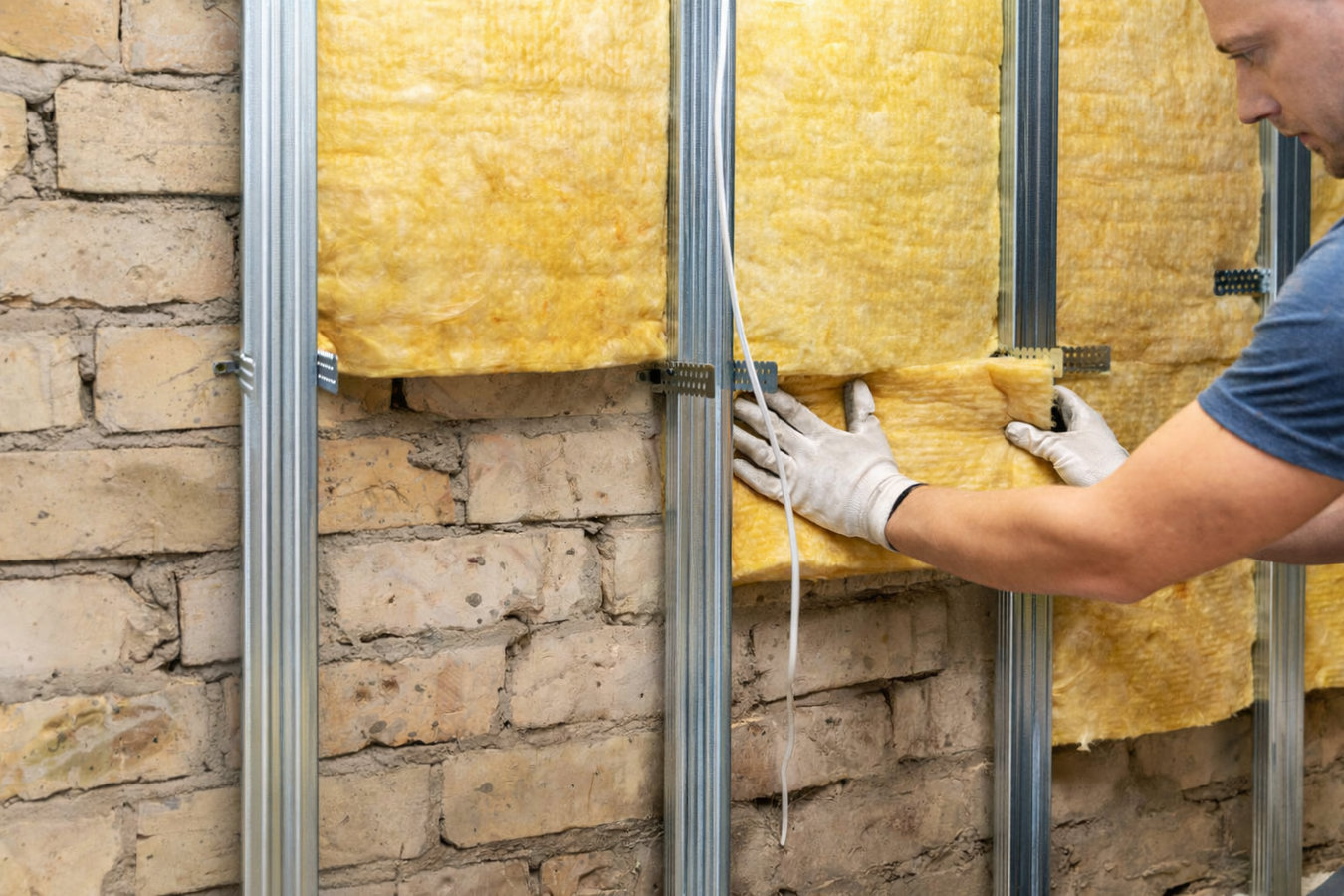
Cold floors and high heating bills in a Twin Falls winter are often a basement problem. Proper insulation on your foundation walls and rim joists stops heat from escaping and makes every room above more comfortable.
Basement insulation in Twin Falls creates a thermal barrier along your foundation walls and rim joist that stops heat from escaping into the ground - most installations are completed in one to two days with no need to vacate your home. Without it, your furnace works harder than it should, and the floors above your basement stay cold no matter what the thermostat says. In Twin Falls, where winter lows regularly drop into the single digits from October through April, an uninsulated basement is one of the most expensive leaks in your home.
Many Twin Falls homes were built in the 1950s through 1970s, when basement insulation was minimal or completely absent. If your home is from that era, there is a good chance the basement walls and the rim joist - the framing right at the top of your foundation - have never been properly addressed. Pairing basement wall insulation with closed-cell foam insulation at the rim joist is one of the most impactful upgrades an older Twin Falls home can get.
Before any insulation goes in, we check for moisture. Installing insulation over a damp wall traps the problem and makes it worse - a step that too many contractors skip. We address moisture concerns during the estimate so the work is done right the first time.
If your gas or electric bill climbs sharply from October through February and your thermostat settings have not changed, heat is likely escaping through your basement walls and floor. Twin Falls winters are long and cold enough that an uninsulated basement can account for a surprisingly large share of your total heat loss every single month.
If you walk across your kitchen or living room in socks during winter and the floor feels noticeably cold, your basement is pulling heat out of the rooms above it. This is especially common in Twin Falls homes built before the 1980s, where basement insulation was minimal or nonexistent.
Take a look at your basement walls. If you see exposed concrete with nothing covering it, or old fiberglass batts that have fallen away from the wall or look compressed and discolored, your insulation is either missing or no longer working. Good insulation should be snug, dry, and covering the full wall surface.
Spring snowmelt and irrigation activity in the Twin Falls area can raise moisture levels around foundations. A damp smell, condensation on walls, or water stains after snow melts are signs your basement environment needs attention before insulation is installed - and that existing material may already be compromised.
We handle basement wall insulation, rim joist sealing, and full basement upgrades for both finished and unfinished spaces. Spray foam is our most popular choice for Twin Falls basements because it seals air gaps and insulates at the same time - important in a climate where drafts are a major source of heat loss. For homeowners who need a cost-effective option on a larger unfinished space, rigid foam board or fiberglass batt systems also deliver solid results when installed correctly. Every job starts with an honest assessment of what your basement actually needs.
We also work with homeowners who need crawl space insulation as an alternative to basement work - some Twin Falls homes have crawl spaces rather than full basements, and the cold floor problem is identical. We assess the right approach for your home and provide a written quote before anything starts. No work begins until you understand exactly what is being done and why.
Best for unfinished basements - seals and insulates in one step, ideal for Twin Falls winters.
Cost-effective wall insulation for larger unfinished spaces, performs well in dry climates.
Addresses the most commonly skipped source of heat loss at the top of your foundation.
A practical option for finished or semi-finished basements with existing framing.
Every job includes a moisture check - we do not install insulation over a damp wall.
We handle permit paperwork with the City of Twin Falls when required for your project.
Twin Falls sits at roughly 3,700 feet elevation and regularly sees winter temperatures drop into single digits. That kind of cold puts real pressure on an under-insulated basement - heat escapes through foundation walls and floors all winter long. Because the heating season runs from October through April, homeowners here get a faster return on their insulation investment than people in milder climates. A significant portion of Twin Falls homes were built in the mid-20th century under insulation standards far lower than what is required today, which means most older basements here are working with a real gap between what they have and what they need.
The Magic Valley region is generally dry, which lowers mold risk compared to wetter parts of the country - but spring snowmelt and the area's heavy irrigation activity can still raise moisture levels around some foundations seasonally. We serve homeowners across the area, including in Kimberly and Jerome, where older housing stock and cold winters create the same basement insulation challenges we see in Twin Falls every day. The U.S. Department of Energy recommends specific insulation levels for basements in cold climates like ours, and we follow those guidelines on every job.
Tell us your home age, whether your basement is finished or unfinished, and what you have been noticing - high bills, cold floors. We respond within 1 business day and can schedule a visit within a few days.
We walk through your basement, check the walls, the rim joist area, existing insulation, and any signs of moisture. This visit takes 30 to 60 minutes and is your chance to ask questions and get a written quote.
Before the crew arrives, move stored items away from the walls. If spray foam is being used, plan to keep pets and family out of the basement for a few hours while it cures - we will give you an exact timeframe.
After the work is done, we walk you through what was installed and where. The work area is cleaned up before we leave, and if a city inspection is required, we coordinate that as well.
Free on-site estimate. No obligation. We respond within 1 business day.
(208) 544-9799Every basement job in Twin Falls is handled by trained crews who know the local housing stock and its moisture challenges. We document the finished work so you can see exactly what was done on every job.
We insulate basements across Twin Falls, Jerome, Kimberly, Buhl, and nine other communities in southern Idaho. We know the mid-century housing stock that is common here and what it typically takes to bring it up to current standards.
We flag moisture problems during the estimate and do not proceed until the issue is resolved. Installing insulation over a damp wall traps moisture against the concrete - that is a problem we prevent, not create.
The rim joist - the framing at the top of your foundation - is the most commonly skipped spot in basement insulation jobs. We seal and insulate it as a standard part of every basement project, because skipping it leaves the single biggest source of heat loss untouched.
Every one of these points reflects how we actually work on jobs across Twin Falls and the Magic Valley. Before any work begins, you get a free written estimate that lists the materials, R-values, and areas being treated, so you know exactly what to expect. That is the kind of clarity a careful homeowner should look for, and it is the standard we hold every job to.
The highest-performing insulation option for basement walls and rim joists, combining air sealing and thermal resistance in one application.
Learn moreIf your home has a crawl space instead of a full basement, this is the equivalent fix for cold floors and heat loss from below.
Learn moreTwin Falls heating season is long - the sooner your basement is properly insulated, the sooner every floor above it stays warmer and your bills come down.