Loading...
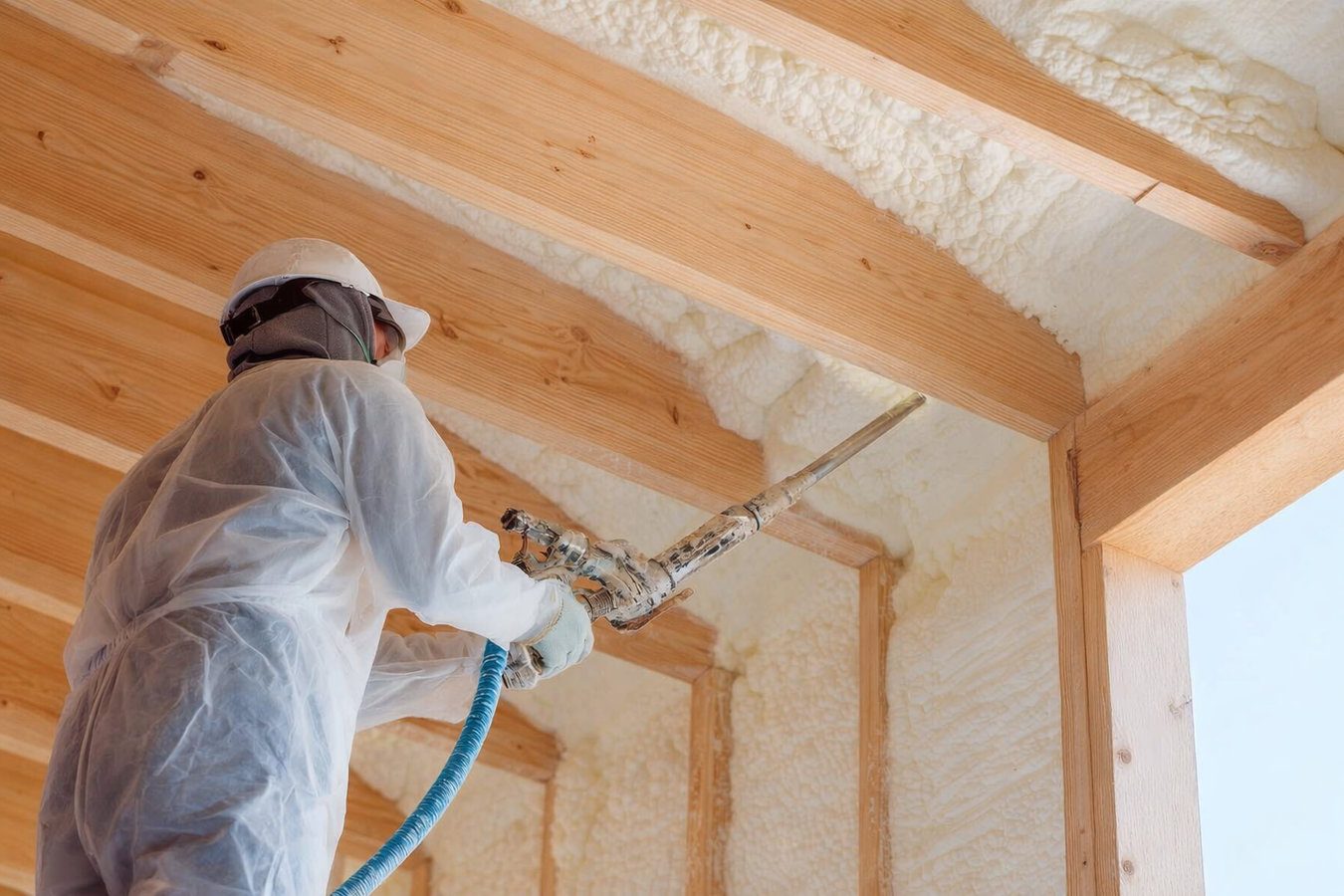
Twin Falls Insulation provides insulation contractor services throughout Twin Falls, ID - including attic insulation, spray foam, and crawl space work - and has completed insulation projects on homes from the older neighborhoods near the College of Southern Idaho to the newer subdivisions on the north side of town, responding to every inquiry within 1 business day.
Twin Falls homes built before the 1980s often have rim joists and crawl spaces that were never insulated. Spray foam insulation seals those gaps and insulates at the same time, which matters in a climate where wind-driven air infiltration through the Snake River Plain is a constant problem.
A large share of Twin Falls homes are ranch-style builds from the 1950s through 1970s with attics that have never been upgraded. Adding adequate insulation to these attics is typically the single highest-return improvement a homeowner can make in this climate.
Blown-in loose fill is the most practical option for topping off existing attic insulation in older Twin Falls homes. It fills odd-shaped spaces without requiring demolition, making it well suited to the varied framing found in mid-century construction throughout the city.
Many Twin Falls homes sit on crawl space foundations, and uninsulated crawl spaces are one of the biggest drivers of cold floors and high heating costs in this area. Insulating and sealing that space keeps temperatures stable under the floor all winter.
The Snake River Plain is known for persistent wind, and Twin Falls homes with gaps around outlets, pipes, and framing lose conditioned air every time the wind picks up. Air sealing stops that movement and makes the insulation you already have work more effectively.
Twin Falls sits at roughly 3,700 feet elevation in the Snake River Plain, where summer highs regularly push past 95 degrees and winter overnight lows can drop well below 10 degrees. That roughly 80-degree seasonal swing puts serious pressure on a home's thermal envelope. A large share of the housing stock - particularly homes built between the 1950s and the 1980s - was constructed under insulation standards that fall well short of what today's climate zone recommendations call for. Homes from this era often have little or no insulation in the walls and only a few inches in the attic, meaning they have been losing heat every winter and letting heat pour in every summer since they were built.
The semi-arid climate here averages only about 9 to 10 inches of rain per year, but poor drainage near foundations from irrigation systems running all summer is a leading cause of crawl space moisture problems. Many Twin Falls homes are built on crawl space foundations, and an uninsulated or poorly sealed crawl space allows cold air to flow freely under the floors all winter. The basalt rock formations near the Snake River Canyon rim also affect how some foundations are built and how drainage behaves on certain lots. These are conditions that a contractor unfamiliar with the area will not anticipate - and not accounting for them leads to work that does not hold up.
We pull permits for Twin Falls projects through the Twin Falls Building Department on Blue Lakes Boulevard North and are familiar with what the city requires for insulation and weatherization work. We know which projects need a permit and which do not, so there are no surprises on the day the crew shows up.
Twin Falls is a city with real range. The older neighborhoods near downtown and the College of Southern Idaho have homes from the 1920s through the 1960s - plaster walls, original insulation, basements with stone or older poured concrete foundations. The newer subdivisions stretching north toward the airport and west past Falls Avenue were built in the 2000s and 2010s and have their own set of concerns as they age past their builder warranties. We work in all of them. Shoshone Falls and the Snake River Canyon are just a few miles from downtown, and homeowners near the canyon rim sometimes encounter shallow basalt below grade, which affects how crawl space and foundation work is approached.
We also serve Kimberly, just a few miles east of Twin Falls along US-30, where the housing stock is similar in age and construction. Homeowners on either side of that stretch face the same Magic Valley climate conditions.
Tell us your home's age, what area you want looked at, and what you have been noticing - high bills, cold floors, drafts. We respond to all inquiries within 1 business day and schedule your assessment, usually within a few days.
We visit your home and check the attic, crawl space, and any specific areas of concern. You get a written estimate that breaks down the work and the materials before you agree to anything. No pressure, no obligation.
The crew arrives on the agreed date and works through the job. Most attic and crawl space projects are finished in a single day. You can stay home throughout. We contain dust and clean up before we leave.
We walk you through the finished work so you can see exactly what was installed and where. If you are claiming an Idaho Power rebate or a federal tax credit, we provide the documentation you need at this point.
We serve all of Twin Falls - from the older neighborhoods near downtown to the newer streets on the north and west sides. No obligation, respond within 1 business day.
(208) 544-9799Twin Falls is the largest city in south-central Idaho, home to around 50,000 residents and growing steadily over the past decade. The city sits on the edge of the Snake River Canyon, with Shoshone Falls - sometimes called the "Niagara of the West" - just a few miles from downtown. About 60 percent of Twin Falls households own their home, which is above the national average, and the homeownership rate reflects a practical, long-term attitude toward property investment. The economy is anchored by food manufacturing and agriculture - major employers include Chobani and Clif Bar - giving the city a working-class character where people spend carefully and expect honest, straightforward service from the contractors they hire. You can read more about the city on the Twin Falls, Idaho Wikipedia page.
The housing stock in Twin Falls spans several distinct eras. Neighborhoods closest to downtown and the College of Southern Idaho (CSI) have homes from the 1920s through the 1940s - older construction that often still has original materials. The biggest wave of building happened between 1950 and 1980, when the city grew quickly with ranch-style single-family homes on modest lots. These are now the most common home type in Twin Falls and the most frequent candidates for insulation upgrades. Newer subdivisions on the north and west edges - developed since the early 2000s - are reaching the age where first-time replacements and energy efficiency improvements start to make sense. The city also has a smaller share of duplexes and multi-family rentals, particularly near CSI. Nearby communities like Kimberly to the east share a similar housing profile and climate.
Seamless spray foam insulation that air-seals and insulates in one step for maximum energy savings.
Learn moreProperly insulated attics keep your home comfortable year-round and reduce heating and cooling costs.
Learn moreLoose-fill blown-in insulation quickly fills gaps and cavities for consistent thermal coverage.
Learn moreWhole-home insulation assessments and installations tailored to your property's unique needs.
Learn moreSafe removal of old, damaged, or contaminated insulation before installing fresh material.
Learn moreInsulating your crawl space prevents moisture intrusion, cold floors, and energy loss.
Learn moreWall insulation improves comfort, reduces noise transmission, and lowers utility bills.
Learn moreProfessional air sealing eliminates drafts and hidden leaks that drive up energy costs.
Learn moreBasement insulation keeps lower levels warm and protects your foundation from moisture damage.
Learn moreHigh-density closed-cell foam offers superior R-value and acts as a vapor barrier in tight spaces.
Learn moreLightweight open-cell foam expands to fill irregular cavities and provides excellent sound dampening.
Learn moreCommercial-grade insulation solutions for offices, warehouses, retail spaces, and industrial facilities.
Learn moreHeavy-duty vapor barriers stop ground moisture from entering your crawl space and living areas.
Learn moreProper vapor barrier installation protects structural components from condensation and mold growth.
Learn moreSealing attic bypasses before insulating dramatically improves overall building performance.
Learn moreRetrofit insulation upgrades existing homes with minimal disruption to walls, ceilings, and finishes.
Learn moreServing these cities and communities.
Idaho Power rebate funds are limited each year - the sooner you schedule, the better your chances of capturing available savings. Call or request a free estimate today.