Loading...
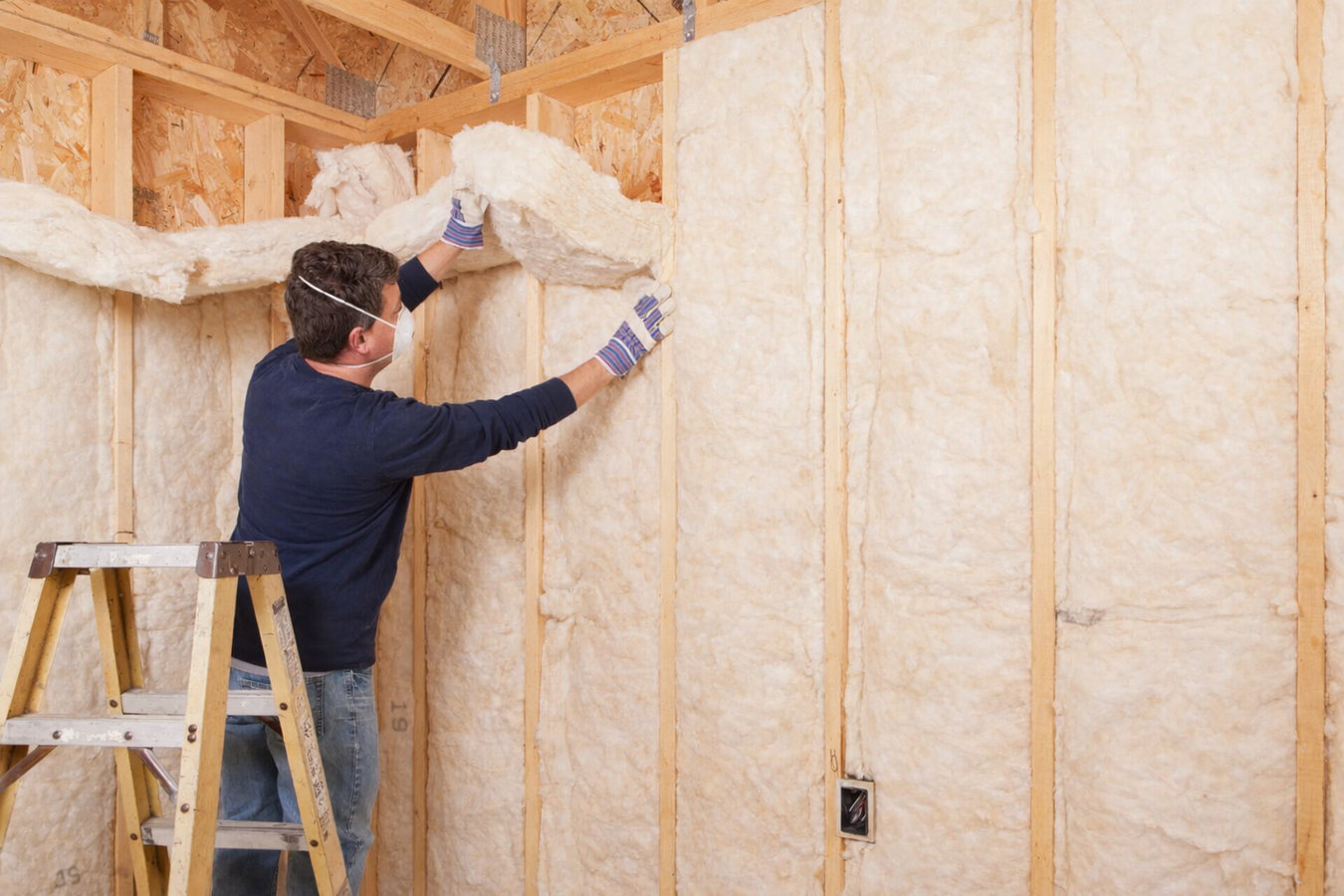
Under-insulated walls are one of the most common reasons Twin Falls homes feel cold in winter and expensive to heat. We fill your wall cavities the right way - less disruption, lasting results, and a home that finally holds its temperature.
Wall insulation in Twin Falls slows the movement of heat through your exterior walls - most jobs on a single-story home are completed in one day with minimal disruption. In winter, it keeps the warmth your furnace generates from escaping to the outside. In summer, it keeps the heat of the day from pushing into your living spaces. Think of it as a thermal buffer that makes your home easier and less expensive to keep comfortable through a Twin Falls winter.
A large share of homes in Twin Falls were built between the 1950s and 1970s, when building codes required little or no wall insulation. If your home is in that era and has never had an insulation upgrade, your walls are likely a significant source of energy loss. Many homeowners find that wall insulation paired with air sealing services delivers the biggest combined improvement - insulation slows heat transfer while air sealing closes the gaps that let conditioned air escape directly.
The most common method for existing walls in Twin Falls is blown-in insulation - small access holes are drilled, insulation is pumped in to fill the cavity, and the holes are patched. It is faster, less expensive, and far less disruptive than opening up drywall. We assess your specific wall construction before recommending an approach, so you know exactly what to expect before work begins.
If your gas or electric bill climbs sharply from October through February and your home still feels cool near exterior walls, heat is escaping through under-insulated walls. Twin Falls winters are cold enough that even modest insulation gaps show up directly on your Idaho Power bill every month.
Press your hand against an exterior wall on a cold January morning. A well-insulated wall should feel close to room temperature. If it feels distinctly cold - or if you sense a chill radiating from it when you sit nearby - the wall cavity likely has little or no insulation doing its job.
Homes in Twin Falls built before roughly 1985 were often constructed under older building codes that allowed for minimal or no wall insulation. If you have never had an energy audit or insulation upgrade and your home is in an older neighborhood, the odds are good your walls are significantly under-insulated by today's standards.
Hold your hand near an electrical outlet on an exterior wall on a windy day. If you feel cool air moving, that outlet is connected to a gap in your wall. This is especially noticeable in Twin Falls during the windy spring months and points to missing insulation or air leaks behind the outlet cover.
We install blown-in insulation, spray foam, and batt insulation across all wall types in Twin Falls homes and commercial buildings. For most existing homes, blown-in is the right choice - it fills the cavity completely through small access holes without touching your drywall or siding more than necessary. For homes undergoing renovation with open walls, we can install batt or spray foam for a higher R-value in areas where the studs are already exposed.
Every job starts with an in-home assessment. We look at your wall construction, existing insulation levels, and any air leakage points before recommending a scope. If your home would benefit from blown-in insulation in the attic as well as the walls, we can often combine both in one visit and one project - saving you time and reducing total project cost. The written estimate you receive before any work starts spells out exactly what is included, including patching, cleanup, and permit fees if applicable.
Best for existing finished walls - small access holes, full cavity fill, minimal disruption to your living space.
Highest performance option for new construction or walls being opened up - seals air leaks and insulates in one pass.
Practical for open walls during renovation - cost-effective when studs are already exposed.
Designed for walls where settling is a concern - packed at higher density to stay in place for decades.
Twin Falls sits in a high desert climate with cold winters that regularly push overnight lows well below freezing from November through February. That temperature gap between inside and outside puts real pressure on your walls every single night of the heating season. The Snake River Plain is also known for persistent wind - and wind-driven air infiltration through wall gaps and penetrations makes under-insulated walls even more costly than they would be in a calmer climate. Homeowners in Kimberly and Buhl face the same wall performance challenges as Twin Falls proper - we serve all of these communities.
The older neighborhoods in Twin Falls - including the streets near downtown, the College of Southern Idaho area, and Canyon Ridge - have a high concentration of homes built in the 1950s through 1970s. Homes from that era were often built with little or no wall insulation, or with materials that have settled and degraded over the decades. Idaho Power, which serves most of Twin Falls, has historically offered rebates for qualifying insulation improvements. Check Idaho Power's current energy efficiency programs before scheduling work, as rebate amounts and eligibility rules change from year to year.
We ask a few questions about your home's age, size, and what you have been noticing - cold rooms, high bills, drafts near outlets. We respond to every inquiry within 1 business day and can often schedule an assessment visit within a few days.
We walk your exterior walls, check accessible areas, and may use a thermal camera to read existing insulation levels. You receive a written estimate that breaks out exactly what will be done - including patching, cleanup, and any permit fees.
The crew drills small access holes from the exterior or interior, fills each wall cavity until it is full, then patches every hole. On an average Twin Falls home this wraps up in one day. You can usually stay home throughout the work.
Before we leave, we walk through the work with you and answer any questions. Ask to see photos of the filled cavities. You can expect to notice a difference in room comfort within the first full heating or cooling cycle after installation.
Written quote after an in-person assessment. No pressure, no obligation.
(208) 544-9799Every wall insulation job we complete in Twin Falls is performed by trained crews who know the local housing stock. We document the finished work so you can see exactly what was done from start to finish.
Twin Falls homes built in the 1950s through 1970s have distinct wall construction that affects how blown-in insulation is installed. We have worked on dozens of these properties and know what to expect before we ever drill the first hole.
We assess your walls in person before quoting anything. You get a written, itemized estimate so the number you agree to is the number you pay - no scope changes after work begins.
We cover all of the Magic Valley including Jerome, Burley, Kimberly, Buhl, Gooding, and more. When you call, you reach someone local who knows the neighborhoods, the housing stock, and the Twin Falls Building Department permit requirements.
The North American Insulation Manufacturers Association recommends that insulation work be done by contractors who verify complete coverage with no gaps or voids. That is the standard we hold ourselves to on every wall insulation job - because insulation with gaps performs almost as poorly as no insulation at all, and you will not know the difference until you see it on your energy bills.
Seal the gaps that insulation alone cannot fix and make your wall upgrade work as hard as possible.
Learn moreThe same blown-in method used in walls can also top up attic insulation for a whole-home efficiency gain.
Learn moreTwin Falls winters are long - the sooner your walls are insulated, the sooner you stop paying to heat air that escapes before it warms your rooms. Call or request a free estimate today.