Loading...
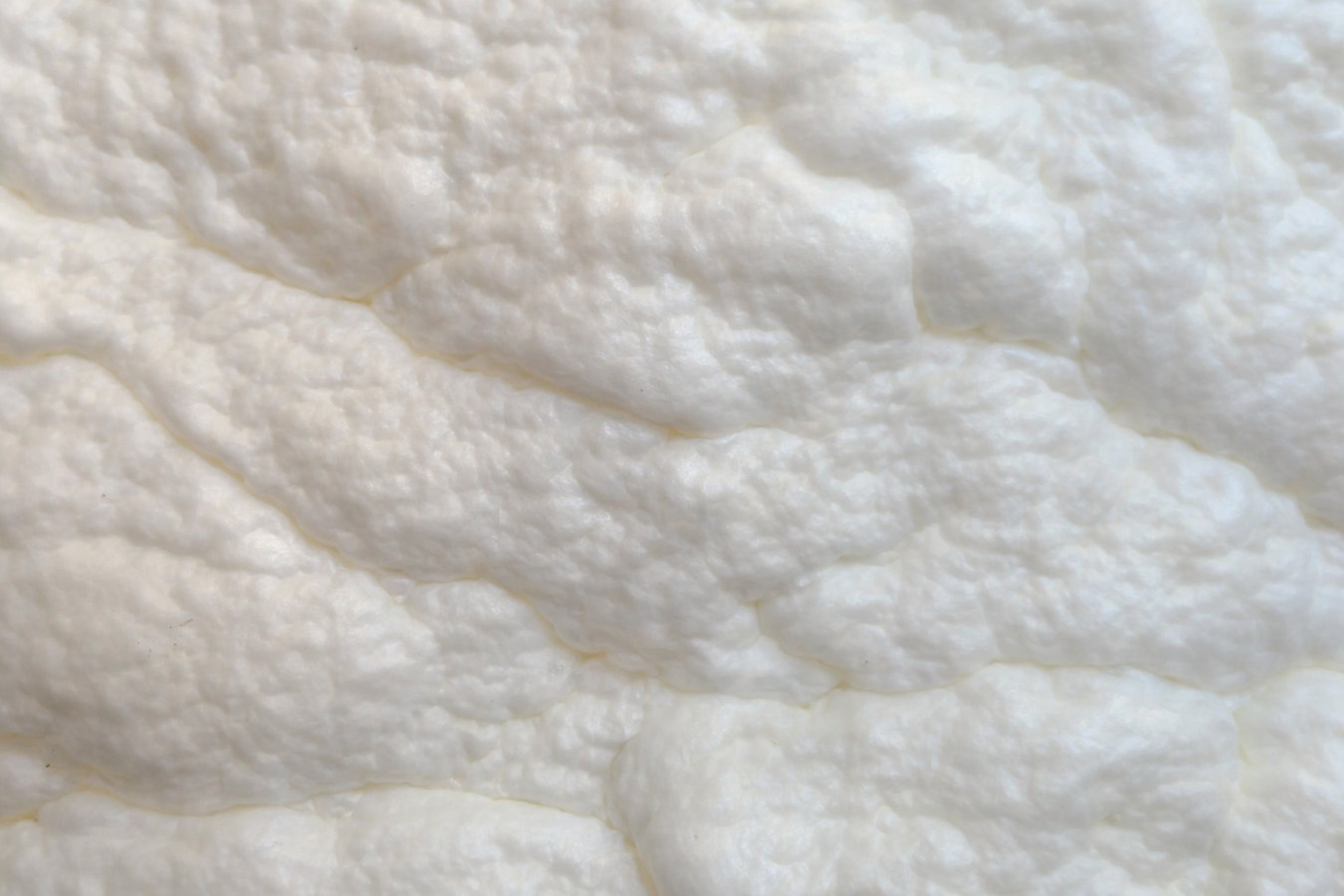
Cold drafts, high heating bills, and cold floors are signs your home is leaking air. Open-cell foam insulates and seals in one step so your Twin Falls home holds heat the way it should.
Open-cell foam insulation in Twin Falls expands on contact to fill every gap, crack, and cavity it touches, creating both an air barrier and a thermal layer in a single application - most residential attic or crawl space jobs are completed in one day.
Traditional fiberglass batts slow heat movement through solid surfaces but do nothing about the air leaks where most heat actually escapes. In Twin Falls homes - particularly those built in the 1950s through 1980s - those air pathways through attic bypasses, rim joists, and wall framing gaps are often the main reason heating bills are high and the house never feels fully warm in January. Open-cell foam addresses both problems at once.
For homes where air leakage is concentrated in the attic, open-cell foam pairs naturally with closed-cell foam insulation in areas with direct moisture exposure. We assess your specific situation before recommending which product fits which space.
Twin Falls winters are genuinely cold, and your furnace should be able to keep up without running constantly. If your gas or electric bill climbs sharply in the coldest months - or if the house never feels fully warm despite the heat being on - heat is escaping faster than your current insulation can handle. This is one of the most common complaints from homeowners in older Twin Falls neighborhoods.
If you walk across your kitchen or living room floor in winter and it feels cold through your socks, the problem is usually under the floor in the crawl space. Many Twin Falls homes have crawl spaces with old or missing insulation, and open-cell foam applied to the crawl space walls and rim joists is one of the most effective fixes for this specific problem.
Hold your hand near an electrical outlet on an exterior wall on a cold day. If you feel cool air moving, outside air is finding its way through gaps in your wall framing. The same test works near window frames and baseboards. These drafts are a sign your home has air leaks that standard insulation alone will not fix - which is exactly where open-cell foam makes a difference.
Ice dams - the ridges of ice that build up along the roof edge after snowfall - are caused by heat escaping through the attic, melting snow above, and refreezing at the cold eave. Twin Falls gets enough winter snow that ice dams are a genuine concern. Improving attic insulation and air sealing is the most reliable long-term fix, and open-cell foam handles both in one pass.
We spray open-cell foam in attics, crawl spaces, rim joists, and interior walls throughout the Twin Falls area. Attic applications seal the gaps around light fixtures, plumbing chases, and framing penetrations that are the primary source of heat loss in most older Twin Falls homes - the foam fills those paths and adds insulation value at the same time. For crawl spaces, we apply foam to the perimeter walls and rim joist rather than between the floor joists above, which creates a sealed, conditioned space that stays dramatically warmer in winter. We also install open-cell foam in interior walls where sound reduction between rooms is a priority alongside temperature control. If you want to compare options before deciding, closed-cell foam insulation is worth understanding - it carries a higher R-value per inch and acts as a moisture barrier, making it the right choice in certain applications.
For homeowners who want to address the whole house in one project, open-cell foam pairs well with a full commercial insulation scope for mixed-use or detached workshop buildings on the same property. We scope residential and commercial work together so you get a single estimate and a single crew day wherever possible.
Best for older Twin Falls homes where attic bypasses and air gaps are the main driver of high heating bills - seals and insulates in one pass.
Ideal for homes where cold floors and rim joist air leakage are the primary complaints - foam on the perimeter walls creates a sealed, warmer space below.
For homeowners who want both temperature control and sound reduction between rooms or floors - open-cell foam absorbs sound better than rigid alternatives.
Twin Falls sits at roughly 3,700 feet on the Snake River Plain, and the climate here puts a home through serious temperature cycling - January lows can drop to single digits, while summer highs push past 90 degrees Fahrenheit. That constant expansion and contraction stresses every gap and joint in a home, making air sealing as important as thermal resistance. Open-cell foam bonds to framing and sheathing and flexes with the structure, which means it stays sealed through those cycles in a way that batts and blown-in materials cannot. The city also receives only about 9 to 10 inches of rain per year, which keeps the semi-arid climate from creating the high humidity that would limit open-cell foam performance in wetter regions. This is one of the better climates in the West for this product.
Homeowners in Kimberly and Filer face the same combination of cold winters and aging housing stock that makes open-cell foam a strong fit across the Magic Valley. Homes in both communities were built largely in the same postwar era as Twin Falls, and the air leakage patterns are predictable - rim joists, attic hatches, and top-plate gaps are where most of the heat goes. Idaho Power serves the region and offers rebates for qualifying insulation upgrades, which can offset a meaningful share of project costs for homeowners across the service area.
We ask about your home's age, which spaces you want insulated, and what is prompting the call - high bills, cold floors, or ice dams. We respond within 1 business day and schedule a free on-site visit at your convenience.
We access the attic, crawl space, or walls in question and look at existing insulation, air leakage points, and moisture conditions. You receive a written quote before anything is scheduled - no surprise costs.
The spray foam crew arrives with heated hose equipment and completes most single-area jobs in three to six hours. You and your pets need to be out of the home for about 24 hours while the foam cures.
Before the crew leaves, they walk you through the finished work so you can see what was done. Once you are back in the house, the insulation is fully active and requires no maintenance.
Free estimate, no obligation. We tell you what we find and give you a written quote before any work is scheduled.
(208) 544-9799We know which Twin Falls projects require a permit from the City of Twin Falls Building Department. We pull any required permits ourselves so you never have to navigate that process.
Our installers follow Spray Polyurethane Foam Alliance standards for product mixing, application thickness, and curing - the factors that separate a foam job that performs for decades from one that fails early. Proper technique matters with spray foam in a way it does not with fiberglass.
Idaho Power serves the Twin Falls area and offers rebates for qualifying insulation upgrades. We know the current program and help you determine eligibility before you commit - so you capture that money rather than leaving it on the table.
Every project starts with a written estimate that breaks down cost by area and explains exactly what will be done. You do not pay for anything that was not in the quote, and we answer questions in plain language rather than technical shorthand.
Open-cell foam rewards careful installation. We use the right product, apply it correctly, and walk you through the finished work before we leave - so you know what you paid for and why it will hold up through Twin Falls winters.
For more on spray foam industry standards, see the Spray Polyurethane Foam Alliance (SPFA) and the U.S. Department of Energy insulation guidance.
Open-cell and other spray foam systems applied to commercial buildings, warehouses, and retail spaces across the Twin Falls area.
Learn moreHigher-density closed-cell foam for areas where moisture resistance and maximum R-value per inch are the priority.
Learn moreFall schedules fill fast - reach out now and we will assess your home, explain your options, and give you a written quote before the heating season is in full swing.