Loading...
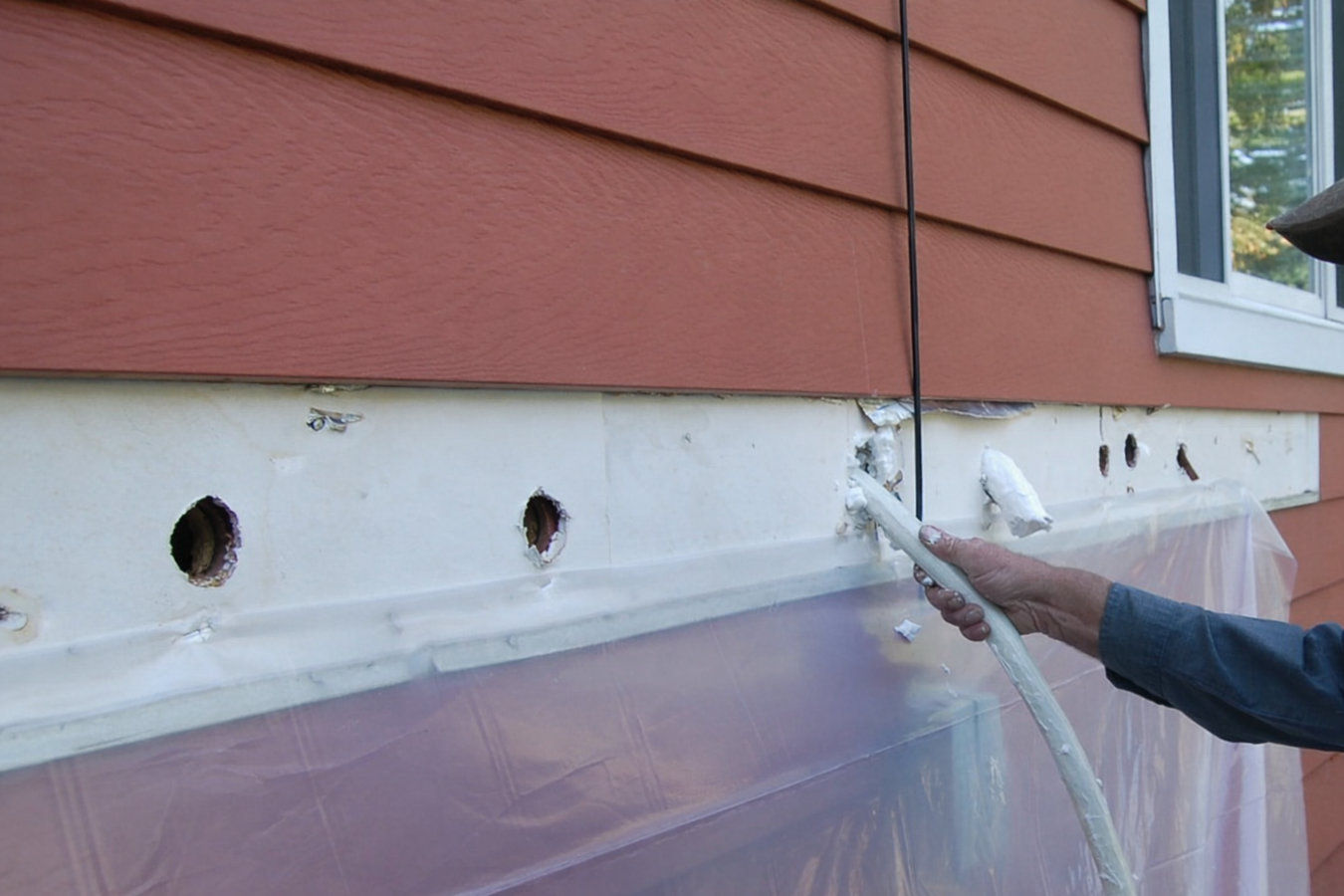
You do not have to tear down walls to insulate your home properly. Retrofit insulation adds blown-in or spray foam material to your existing attic, walls, and crawl space - so you get lower bills and a more comfortable home without a major project.
Retrofit insulation in Twin Falls means adding insulation to an existing home - attic, walls, or crawl space - without tearing out drywall or starting a major renovation, and most jobs are completed in a single day. Contractors work through small access points and existing openings to get material into the areas that need it most. The most common materials are blown-in loose fill, which fills attics and wall cavities quickly, and spray foam, which seals and insulates in one step for crawl spaces and rim joists. The right choice depends on where the insulation is going and what the space looks like.
For homes in Twin Falls, the biggest opportunity is almost always the attic floor. Climate Zone 5 recommendations call for a substantial thickness of attic insulation, and many homes built before 1985 fall well short of that target. Adding blown-in material to bring the attic up to the recommended level is typically the fastest, most affordable improvement available to an older home. Pairing that with a full home insulation assessment ensures that walls and crawl spaces are evaluated at the same time, so nothing is missed and work is prioritized by impact.
The dry Twin Falls climate reduces the moisture risk that makes retrofit wall insulation tricky in wetter regions - material is less likely to trap condensation inside cavities here. That said, a good contractor will still check for existing moisture and air leaks before recommending any material, because skipping that step can create problems down the road even in a dry climate. We inspect first, then recommend - not the other way around.
Twin Falls winters are genuinely cold, and if your gas or electric bill jumps dramatically when temperatures drop, that is often a sign your home is letting heat escape faster than your furnace can replace it. A well-insulated home holds heat much more efficiently, so the furnace does not have to run as hard. If your neighbors in similar-sized homes are paying noticeably less, insulation is one of the first things worth checking.
In older Twin Falls homes, it is common for one or two rooms - often a back bedroom, a room above a garage, or a space near an exterior wall - to feel noticeably colder than the rest of the house. This usually means the insulation in that area is thin, missing, or has settled over the years. If you find yourself closing off a room in January because it is too cold to use comfortably, that is a clear signal.
Hold your hand near an electrical outlet or light switch on an outside wall on a windy day. If you feel cool air coming through, that outlet is connected to a wall cavity with little or no insulation - and wind is finding its way in through gaps. This is especially common in Twin Falls homes built before 1980, and it is one of the easiest things a homeowner can check without any tools.
On a hot July afternoon in Twin Falls, step up into your attic. If the heat is overwhelming - far hotter than the outside temperature - your attic is not insulated well enough to keep that heat from radiating down into your living space. That extra heat load makes your air conditioner work harder and raises your summer electric bill. Climate Zone 5 requires substantial attic insulation to hold that heat back.
We provide blown-in attic insulation, wall cavity injection, crawl space insulation, and rim joist spray foam for existing homes across Twin Falls and the Magic Valley. Every project starts with a walkthrough of your attic, walls, and crawl space to understand what is already there and what needs to change. We check for air leaks and moisture before recommending materials, because addressing those issues first is what makes insulation perform the way it is supposed to.
For homeowners who want the most thorough approach, combining retrofit insulation with spray foam insulation in targeted areas - rim joists, crawl space walls, hard-to-reach cavities - delivers both insulation and air sealing in a single treatment. We can assess whether that combination makes sense for your home during the initial visit and include both options in your written estimate so you can compare costs side by side.
The highest-return retrofit option for most Twin Falls homes - fast, affordable, and designed to bring older attics up to Climate Zone 5 recommendations.
Blown-in material injected into existing wall cavities through small drilled holes, then patched - no major drywall work required.
Insulation added to the floor above an unheated crawl space or to the crawl space walls for homes where cold floors and moisture are a concern.
Spray foam applied to the gap between your foundation and floor framing - one of the most overlooked heat loss points in older Twin Falls homes.
Twin Falls is in Climate Zone 5, which calls for more insulation than milder parts of the country - and the city has a lot of homes that fall well short of those recommendations. The older neighborhoods near downtown along Shoshone Street and the mid-century subdivisions that grew up around them were built in the 1950s through 1970s, when wall insulation was minimal and attic coverage was far below what modern standards call for. Winters here regularly push temperatures below zero, summers push into the high 90s, and the Snake River Plain sees persistent wind with few natural breaks. That combination of cold, heat, and wind means under-insulated homes pay a real price for every gap in their envelope - every month of the year, not just in winter. Homeowners in Jerome and Burley face the same housing stock and climate conditions.
The good news is that retrofit insulation in Twin Falls pays off in both directions - lower heating bills in winter and lower cooling bills in summer. The U.S. Department of Energy recommends an attic insulation level appropriate for Climate Zone 5, and many homes here have less than half of that in place. Idaho Power has historically offered rebates for qualifying insulation upgrades, which can meaningfully reduce the upfront cost of the project and shorten the time it takes to recoup your investment through lower utility bills. Homes built before 1980 tend to see the biggest improvements because there is the most room to gain.
Let us know your home's age, size, and the comfort problems you have been experiencing - cold rooms, high bills, drafts. We reply within 1 business day and schedule an in-home visit, usually within a few days. No commitment required at this stage.
A contractor walks your attic, walls, and crawl space, checking how much insulation is already there and whether any air sealing needs to happen first. This visit typically takes 30 to 60 minutes. You get a plain-language explanation of what was found and a written estimate before any work is approved.
The crew arrives with blowing or spray equipment and works through each area in sequence. Attic jobs take a few hours. Wall injection and crawl space work take longer but are still typically completed in a day. The crew handles cleanup before they leave, and your home is fully usable the same day.
Before leaving, a contractor walks you through what was done and provides documentation of the materials installed. That paperwork is important - you will need it if you apply for an Idaho Power rebate or claim a federal tax credit. We make sure you have everything you need before we go.
Free in-home inspection of your attic, walls, and crawl space. Written estimate with no pressure to commit. Idaho Power rebate guidance included.
(208) 544-9799Insulation installed over a moisture problem traps damage inside your walls or crawl space. We inspect for moisture and air leaks before recommending materials, so we are solving problems, not sealing them in. This is standard practice on every retrofit job we do.
Every retrofit job we complete in Twin Falls is performed by trained crews who know how older Magic Valley homes are built. We document the finished work so you can see exactly what was added and where.
Idaho Power offers rebates for qualifying insulation upgrades, and many Twin Falls homeowners are eligible. We know what documentation is required and make sure the installation meets the program standards from the start - so you do not have to resubmit paperwork or leave money unclaimed.
We work across Twin Falls, Jerome, Burley, Rupert, Kimberly, Filer, and the surrounding region. Our crews know the housing stock here - the mid-century ranches near downtown, the postwar bungalows by CSI, and the newer builds on the north side - and bring that knowledge to every job.
Every retrofit job we do in Twin Falls starts with an honest assessment - we look at what is there, check for moisture and air leaks, and recommend the work that will actually make a difference for your specific home. The U.S. Department of Energy recommends starting with an energy audit before adding insulation, and we follow that approach so you are not paying for material that will not deliver the results you expect.
For areas where you need insulation and air sealing in one step - crawl spaces, rim joists, and hard-to-reach cavities respond well to spray foam.
Learn moreA whole-home insulation assessment covering every area of your house and recommending the right materials and sequence for your specific situation.
Learn moreCall now or request a free estimate online - we will get back to you within 1 business day and tell you exactly what your home needs and what it will cost.