Loading...
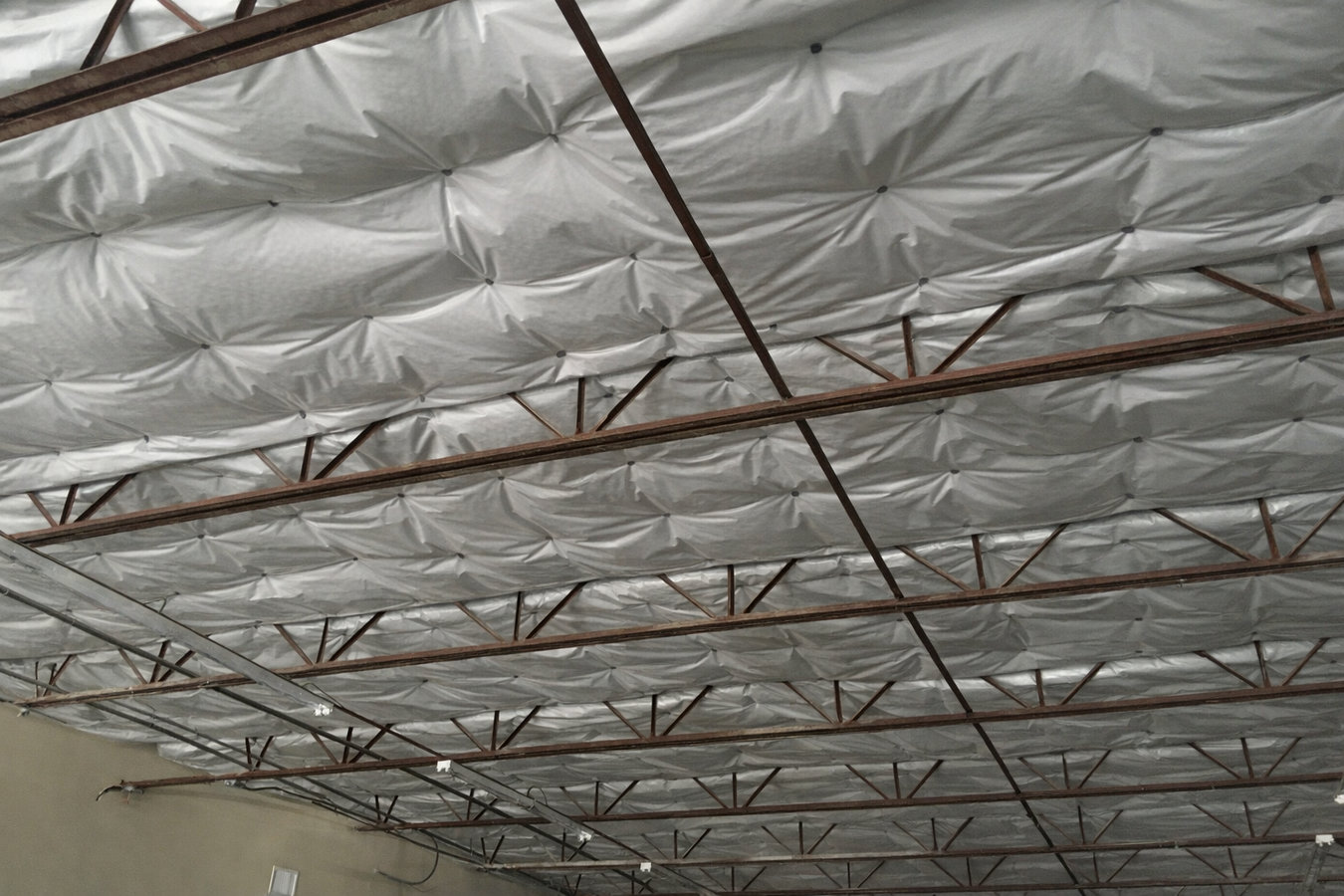
Climbing energy bills and uneven building temperatures mean your insulation is not keeping up with Twin Falls winters and summers. We assess, recommend, and install the right system for your building.
Commercial insulation in Twin Falls slows the movement of heat through your building walls, roof, and floors - keeping conditioned air inside and reducing what you spend on heating and cooling month after month - most straightforward jobs are completed in one to three days with minimal disruption to normal business operations.
Twin Falls commercial buildings face a wide temperature swing between seasons - cold enough in January to drive serious heating costs, and hot enough in July to push cooling systems hard. A large share of the commercial building stock here was built in the 1970s through 1990s under insulation standards that simply do not hold up to today's energy costs. If your utility bills feel out of proportion to your building size, inadequate insulation is one of the first things worth checking.
Commercial insulation almost always works best when paired with air sealing. For agricultural and food-processing facilities in the Magic Valley - where moisture control is as important as thermal performance - we recommend looking at spray foam insulation as a primary system, since it handles both challenges at once.
If your heating or cooling costs have risen noticeably over the past year or two without a change in equipment or occupancy, deteriorating or insufficient insulation is one of the most common causes. In Twin Falls, where both heating and cooling seasons are demanding, a building that is losing conditioned air pays for it every single month.
Walk through your building on a cold January morning or a hot July afternoon. If some rooms or areas feel dramatically different from others - drafty near exterior walls, cold near the ceiling, or stuffy in interior spaces - insulation coverage is uneven or missing in spots. Twin Falls winters are cold enough that these differences are usually obvious without any special equipment.
Twin Falls is a notably windy city, and wind-driven air infiltration is a clear sign that a building envelope needs attention. If you or your employees notice cold air moving through the building when the wind picks up - especially near exterior walls or where the roof meets the walls - gaps exist where they should not. This is different from a drafty window; it is the whole building shell letting air through.
A large share of Twin Falls commercial buildings were built under older energy standards that do not hold up to today's utility rates. If your building has not been assessed since it was constructed or last renovated, there is a reasonable chance it is underinsulated. An assessment with a reputable local contractor typically takes less than an hour and is offered at no charge.
We install three primary systems for Twin Falls commercial buildings, selected based on what we find during the on-site assessment. Blown-in loose-fill is the most cost-effective option for large attic spaces in offices, retail buildings, and light industrial facilities - it fills irregular cavities quickly and installs without major disruption. Rigid foam board is a strong choice for exterior walls and rooflines where continuous coverage without gaps is critical, particularly on the windward sides of buildings where Twin Falls wind drives cold air through any weak point. For hard-to-reach spaces, around penetrations, and in buildings where air sealing is as important as thermal resistance, spray foam insulation handles both in a single application. Agricultural and food-processing facilities have specific needs beyond a standard office or warehouse - moisture resistance, temperature extremes, and in some cases food-safety compliance - and we bring direct experience with those requirements.
When a building also has crawl space or under-slab moisture issues, we coordinate commercial insulation with a crawl space vapor barrier installation so moisture control and thermal performance are addressed together. We scope both during the same walkthrough to give you a complete picture before any work begins.
Best for large attic spaces in offices, retail, and light industrial buildings where speed, coverage, and cost-effectiveness are the priority.
Ideal for exterior walls and rooflines where continuous insulation without gaps is critical - particularly on wind-exposed sides of Twin Falls buildings.
The right choice for hard-to-reach cavities, agricultural facilities, and any space where air sealing and insulation need to be addressed in a single pass.
Twin Falls sits at nearly 3,700 feet on the Snake River Plain, and the city sees genuine weather extremes in both directions. Average January lows drop into the mid-20s Fahrenheit, while July highs regularly reach the low 90s - which means your building is fighting heat loss for about five months a year and heat gain for another three or four. Add persistent wind, and the case for proper insulation coverage becomes straightforward: every gap is money leaving the building. A large share of the commercial building stock in Twin Falls dates from the 1970s through 1990s, when energy codes allowed far lower insulation levels than what is standard today. The city is also the commercial hub of a major agricultural region, with a significant concentration of food processing, cold storage, and dairy operations that have insulation demands well beyond a typical office or retail space.
Business owners in Burley and Jerome face the same climate demands and aging building stock as Twin Falls. We serve commercial clients across the Magic Valley and bring the same assessment process to every building - walk through first, recommend based on what we find, and scope the work in writing before anything starts. NAIMA, the North American Insulation Manufacturers Association, publishes commercial installation standards our crews follow on every project.
We ask about the type of building, approximate size, and what is prompting the call. We respond within 1 business day and schedule a free on-site walkthrough - no commitment, no fee.
We inspect the attic or roof space, exterior walls, and mechanical rooms. We check what is already installed, note gaps and damage, measure the areas, and deliver a written estimate within a few days that breaks down scope, materials, and total cost.
Once you agree to move forward, we schedule the installation. We tell you exactly what preparation is needed - moving stored items, ensuring attic access, and which areas may be temporarily off-limits - so there are no surprises on the day of the job.
The crew works in attic spaces, wall cavities, or above drop ceilings with minimal disruption to your operations. When the work is complete, we walk through the finished job so you can see what was installed and confirm it matches the quote.
Free on-site assessment, written estimate, no obligation. We tell you what we find and explain your options before any work is scheduled.
(208) 544-9799Every commercial project starts with a free on-site assessment and a written scope that spells out materials, R-values, and timelines. We coordinate any permits the job requires so your project stays on track from day one.
Twin Falls is the commercial hub of Idaho's most productive agricultural region, and food processing, cold storage, and dairy facilities have insulation demands that go beyond a standard office or warehouse. We bring direct experience with these building types - the materials, the moisture requirements, and the scheduling constraints.
The City of Twin Falls Building Department has a role in certain commercial insulation permits. We know which projects trigger which requirements and handle the permit process ourselves so your project does not stall waiting on paperwork.
Every commercial project starts with a written estimate that breaks down materials, labor, and scope area by area. You approve the scope before we schedule the crew - no change orders for work that was implied but never quoted, and no vague invoices after the fact.
Commercial insulation is a significant investment, and the difference between a good job and a poor one shows up in your energy bills for years. The right insulation contractor brings the right materials, the right process, and a clear written scope to every project so you know exactly what you are getting.
You can review Idaho Power commercial energy efficiency programs at idahopower.com.
Heavy-duty vapor barrier systems for commercial crawl spaces and slab-on-grade buildings to control moisture and protect insulation.
Learn moreSpray foam applied in commercial attics, walls, and hard-to-reach cavities for complete air sealing alongside thermal coverage.
Learn moreTwin Falls winters do not wait - lock in your installation date before the cold season hits and energy costs climb on an underinsulated building.